



Veterans Day: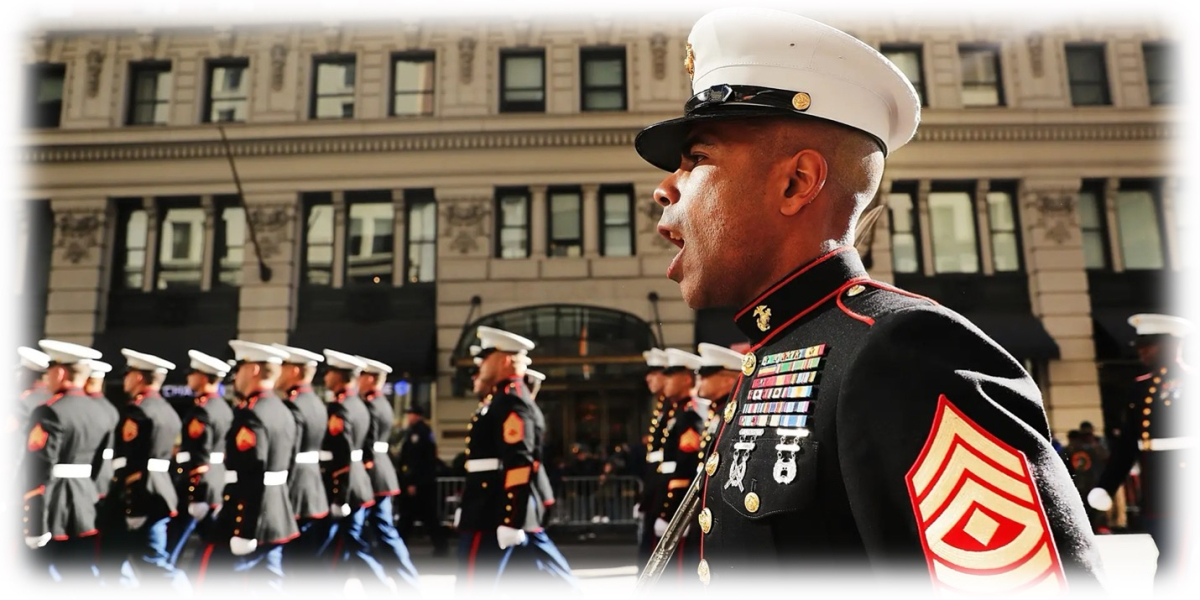 A Living Tribute
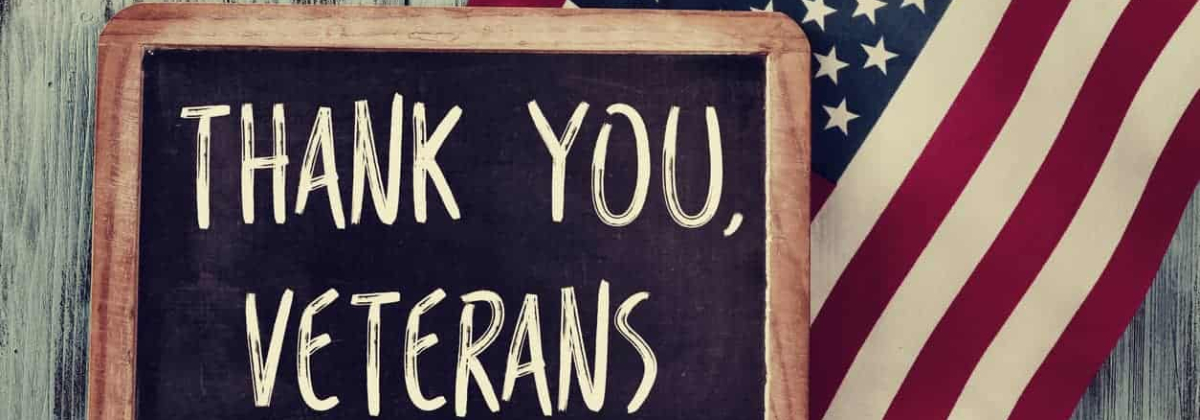
VETERANS DAY, first known as Armistice Day, stands as a solemn reminder of the sacrifices made by military personnel in the pursuit of peace and security. Observed each year on November 11, it coincides with international observances such as Remembrance Day, marking the historic ceasefire that ended World War I. In 1954, the holiday was renamed to honor ALL U.S. VETERANS, setting it apart from Memorial Day, which specifically commemorates those who gave their lives in service. Over time, its meaning has expanded—reflected in the creation of Women Veterans Day in several states—underscoring the inclusive recognition of every individual who has worn the uniform. President Woodrow Wilson’s 1919 proclamation captured the nation’s enduring gratitude, a spirit that continues to inspire Americans to uphold the values of freedom and justice. Veterans Day is thus both a reflection on history and a living tribute to the courage and dedication of the U.S. Armed Forces.
 Honoring Veterans in Meaningful Ways
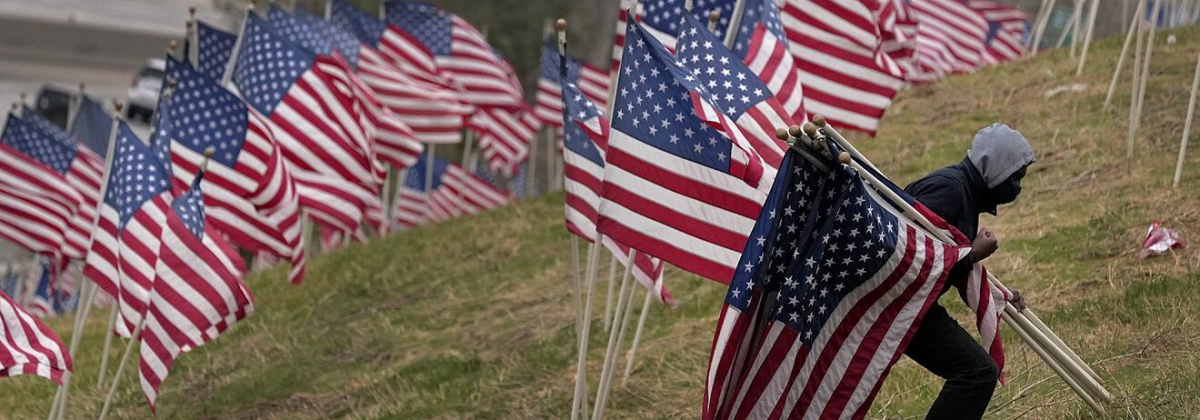
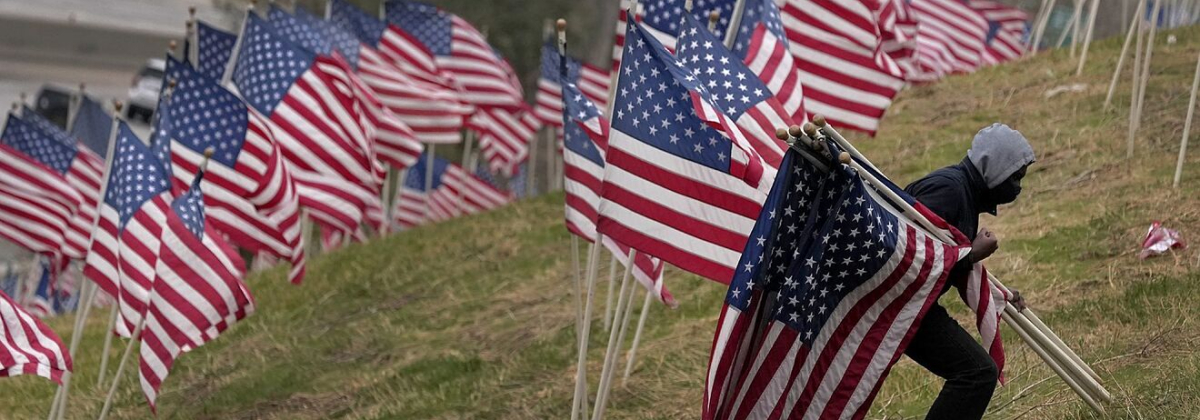
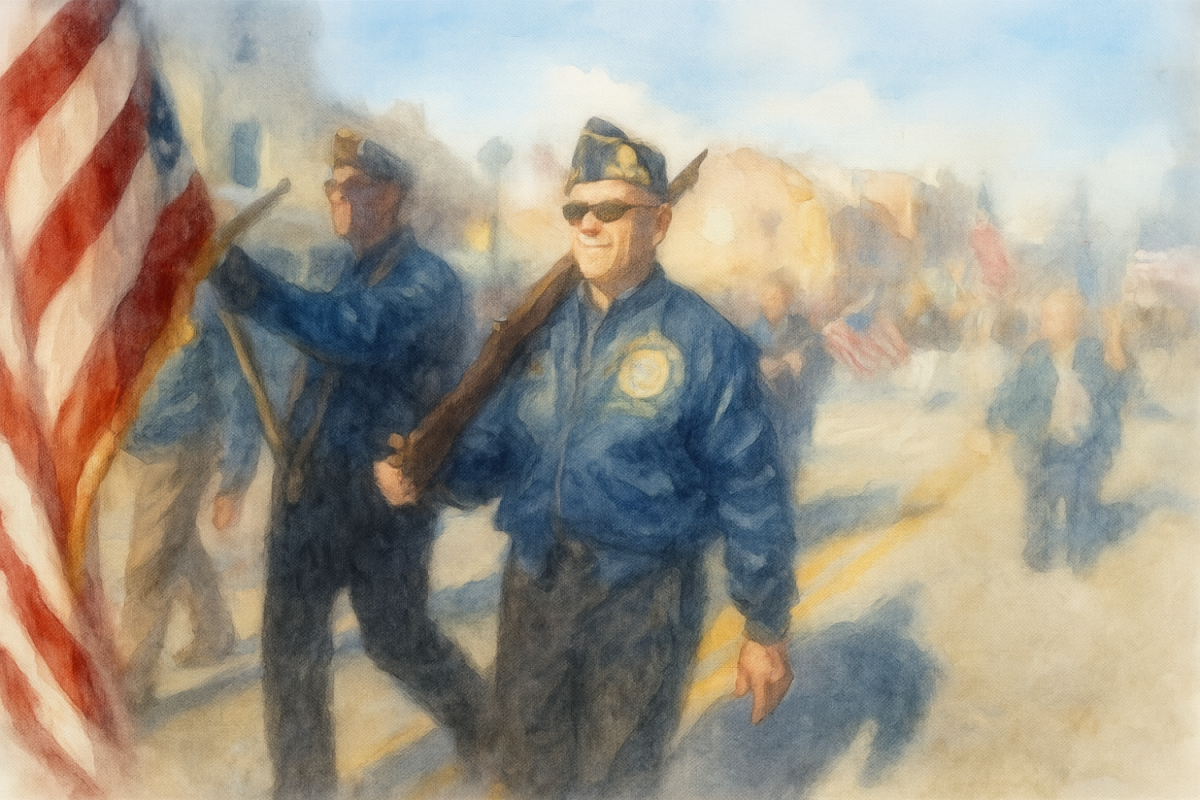
There are countless ways to express appreciation on Veterans Day. Communities often host parades and ceremonies, bringing people together to celebrate service and sacrifice. Many choose to visit veterans’ hospitals or nursing homes, offering companionship, listening to stories, and sharing heartfelt thanks. Others send letters or care packages to veterans and active-duty service members, small gestures that carry deep meaning. Schools frequently mark the day with educational programs, sometimes inviting veterans to speak and share their experiences with younger generations. Supporting veteran-owned businesses or volunteering with veterans’ charities are practical ways to give back. And wearing a red poppy, a simple yet powerful symbol of remembrance, remains a timeless act of respect. Whether through large public events or quiet personal gestures, each action reflects the nation’s enduring gratitude.
The Legacy of the Red Poppy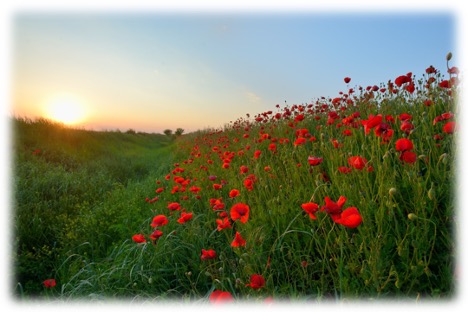
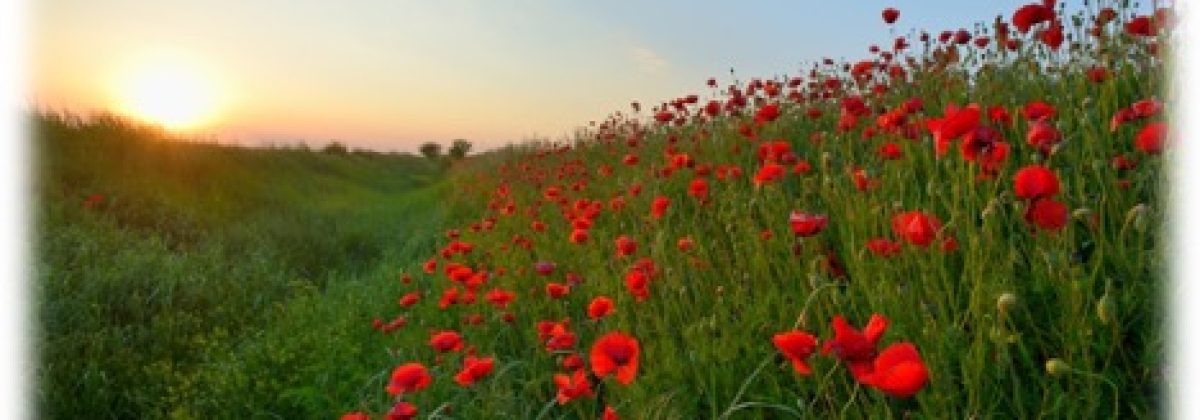
The tradition of the red poppy traces back to the haunting words of “In Flanders Fields”, written by Canadian physician Lieutenant Colonel John McCrae during World War I. Amid the devastation of battle, McCrae was struck by the sight of red poppies blooming across the scarred landscape, a symbol of both sacrifice and renewal. His poem resonated deeply, inspiring Moina Michael, an American professor, to adopt the poppy as a personal tribute to the fallen. Through her tireless advocacy, the flower became a national emblem of remembrance, spreading across the United States and allied nations. Today, the red poppy endures as a universal symbol of honor, remembrance, and hope—a century-old legacy born from a single flower’s resilience amid the ravages of war.
Memorial Day vs. Veterans Day
| Aspect | Memorial Day | Veterans Day |
|---|---|---|
| When Observed | Last Monday in May | November 11 |
| Origin | Began after the Civil War | Originated at the end of World War I (Armistice Day) |
| Purpose | Honors those who died in battle or as a result of military service | Honors all U.S. military veterans, especially the living |
| Tone | Solemn remembrance and reflection | Celebration of service and gratitude |
| Traditions | Parades, ceremonies, moments of silence, visiting cemeteries and memorials | Parades, ceremonies, veteran recognition events, educational programs |
| Message | “Freedom is not free”—a tribute to the fallen | “Thank you for your service”—gratitude to all who served |